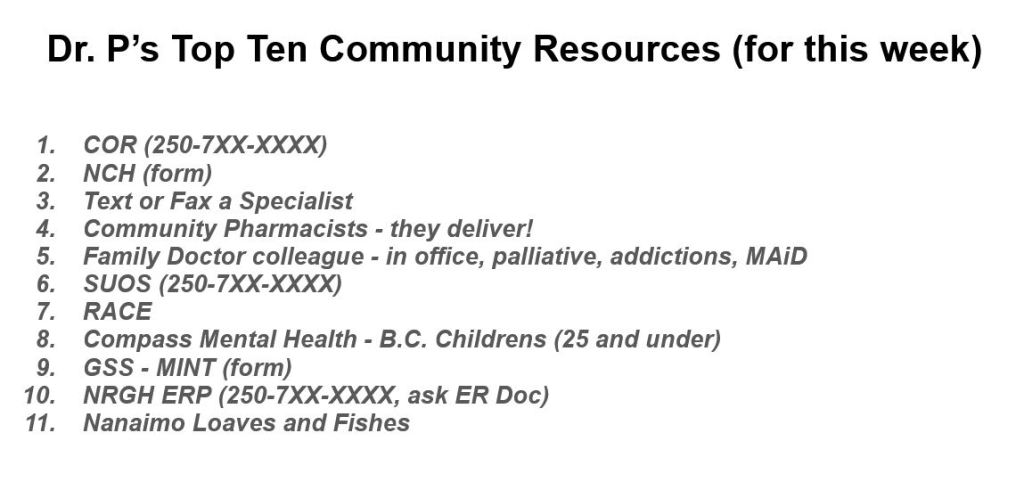
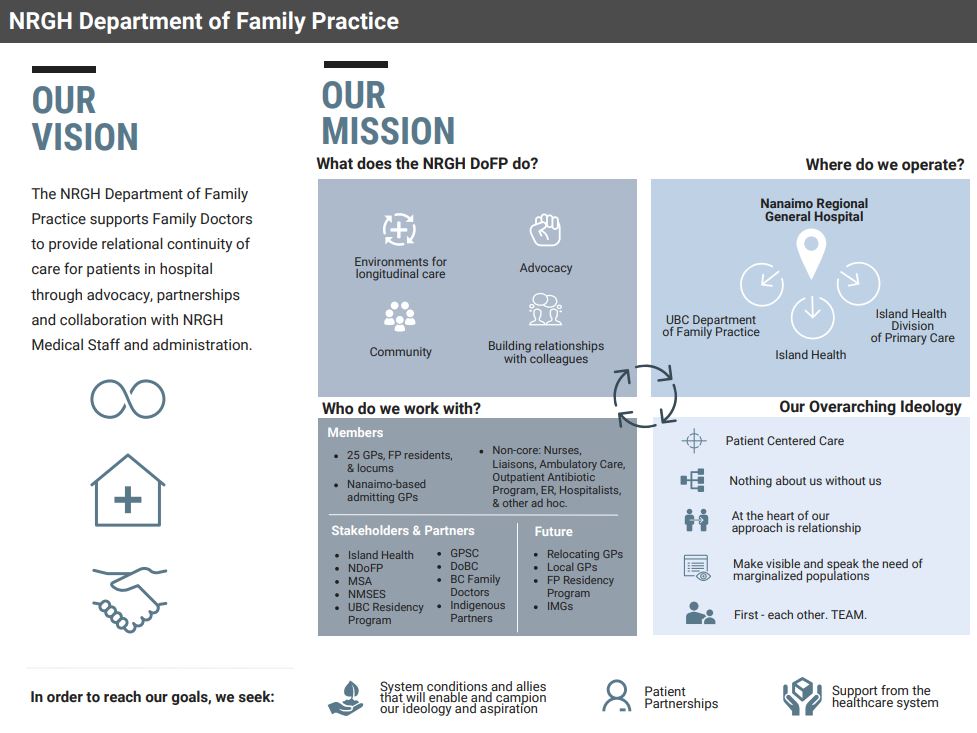
We started the New Year off right in Nanaimo Regional General Hospital (NRGH) today. It was the inaugural shift for the GP in Hospital (GPIH) or Family Doctor of the Day (FDOD) program. My colleague, KW (thank you!), bravely went where no community FP has gone before… more on this later.
Relational medicine in hospital took a positive step forward in our community.
With community Family Medicine in a downturn, right now… it is our hope to help rebuild and revitalize this lost art (and science). This blog will help chronicle some of those teachings/learnings, innovations and improvements (can you say rough draft for an upcoming textbook?).
Hoping that everyone has a healthy and happy 2020!
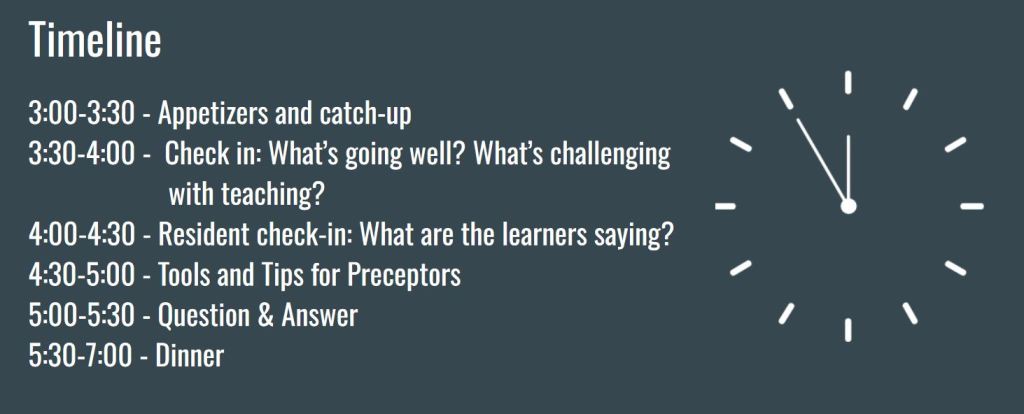
I had the honour and privilege of spending an evening with 25 other Family Doctors who are teachers (preceptors) with the UBC Family Practice Residency program in Nanaimo. I was joined with my amazing young colleague and friend, SC, who is an inspiration to me with teaching and living Family Medicine (thank you S!).
We talked about a number of topics including the generational differences in learning and teaching and how they have changed over the years. As well as providing support (new tools) and celebrate teaching of the next generation of Family Doctors.
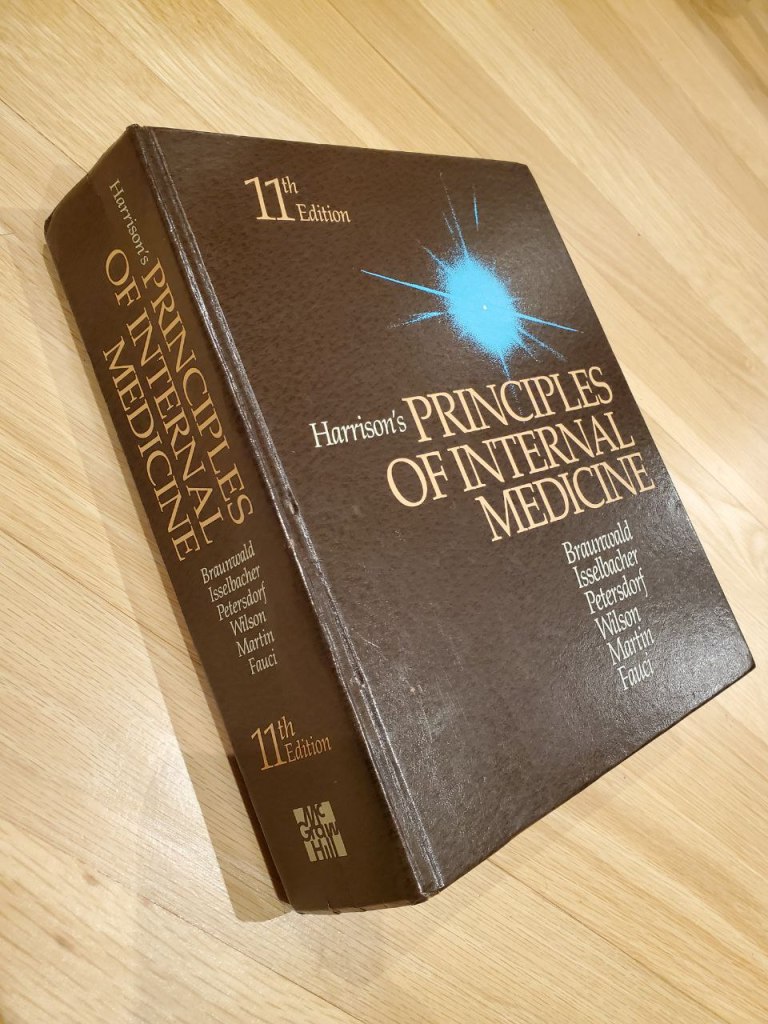
As an example, I had brought my old Harrison’s Principle of Internal Medicine from 1988 which was chock full of medical information goodness (2118 pages)! My Christmas present for that year! Reading out the passage below of what it means to be a physician.
ENDURING VALUES OF THE MEDICAL PROFESSION
No greater opportunity, responsibility, or obligation can fall to the lot of a human being than to become a physician. In the care of the suffering, [the physician] needs technical skill, scientific knowledge, and human understanding. Tact, sympathy, and understanding are expected of the physician, for the patient is no mere collection of symptoms, signs, disordered functions, damaged organs, and disturbed emotions. [The patient] is human, fearful, and hopeful, seeking relief, help, and reassurance.
—Harrison’s Principles of Internal Medicine, 1950
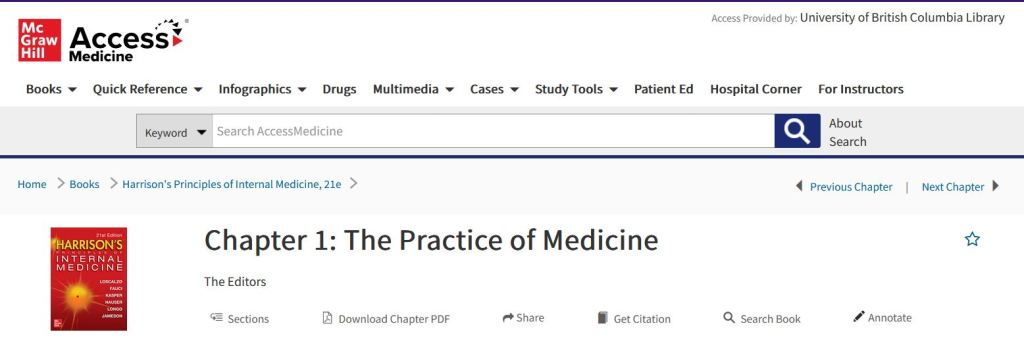
Now fast forward to today with the 21st Edition (2 Volumes), now 4384 pages! I can now access this book online. There are many new learnings and advances in this Edition… yet, the principles of being a physician are no different.
21st Edition (this is Medicine’s collective WHY)
As today’s physicians strive to integrate an ever-expanding body of scientific knowledge into everyday practice, it is critically important to remember two key principles: first, the ultimate goal of medicine is to prevent disease and, when it occurs, to diagnose it early and provide effective treatment; and second, despite 70 years of scientific advances since the first edition of this text, a trusting relationship between physician and patient still lies at the heart of effective patient care…
—Harrison’s Principles of Internal Medicine, 2022
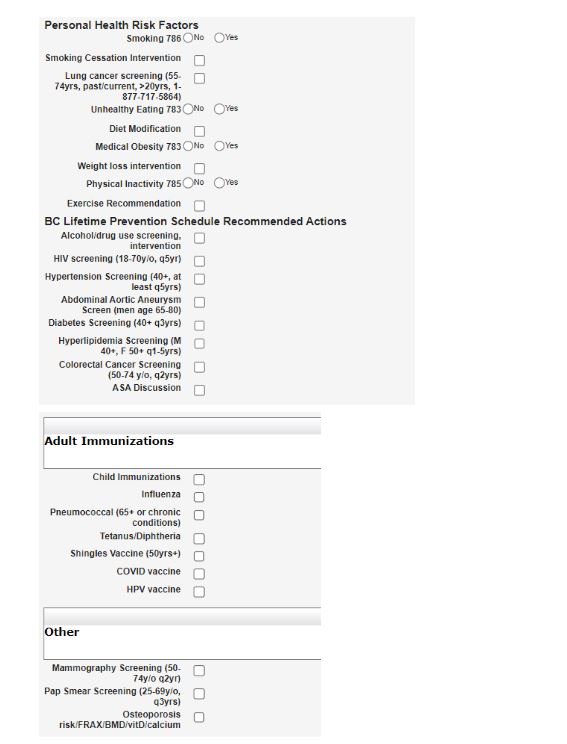
Prevent, diagnose, treat (heal/support) with a trusting relationship between physician and patient.
Sounds like a Family Doctor wrote that? ;P
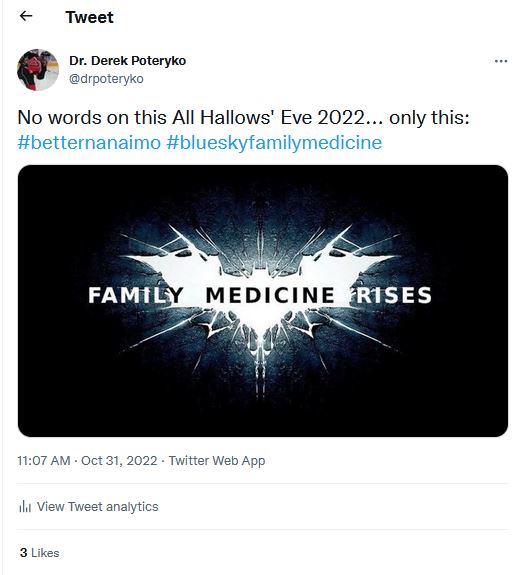
The future of Family Medicine is very bright… thanks to the next generations (and Batman)! ;P
Again, it’s been some time since our last post, but that doesn’t mean that Family Medicine innovations are not progressing in Nanaimo! 😉
I was happy to attend a new community Family Practice clinic opening ceremony in Nanaimo yesterday (congratulations DR and SM… you will Thrive!)! <3 It’s nice to see the tide of community Family Practice beginning to move in a better direction.
As we write this, there is work going on behind the scenes to establish a Family Practice Teaching Ward at Nanaimo Regional General Hospital (NRGH). Thank you TZ, KM, DL and new team member, DC. For too long Family Medicine has been receding in these important areas of Health and Care.
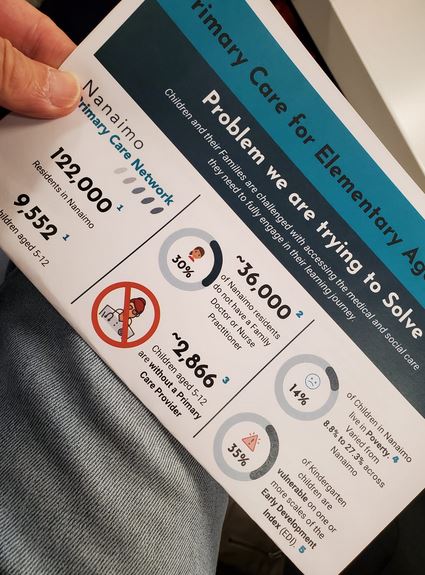
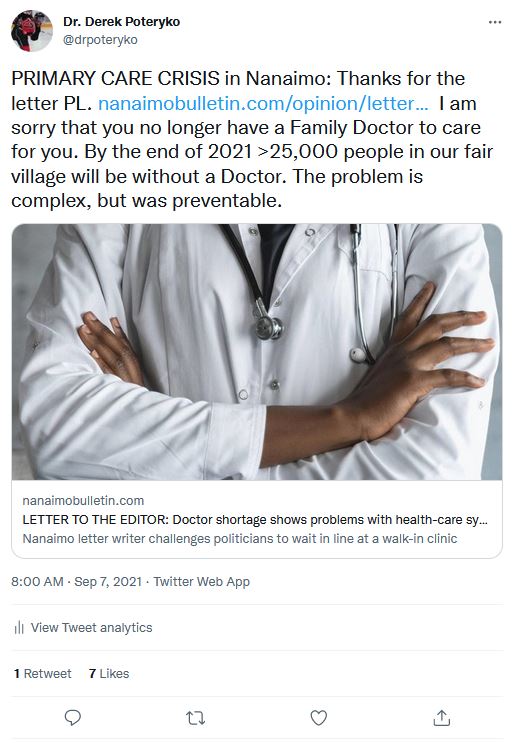
With Health Care in crisis, there are over 36,000 Nanaimo-ites without a Family Doctor (or primary care provider)… with the increased demands (I am asked daily about taking on new patients who have no care – sorry we are so full), limited resources and the associated moral injury… this has caused more healthcare workers than ever to report some form of burnout or fatigue these days. 😦
A great way to prevent this and build joyful compassionate care is with Balint groups!
We have been doing them for years… they are hard to quit because they are so much fun!
Michael Roberts says it well:
“A Balint group is a purposeful, regular meeting among family physicians (can you say Decadent Dessert Night?), with a trained facilitator or leader, to allow discussion of any topic that occupies a physician’s mind outside of his or her usual clinical encounters.A Balint group can have many goals. The presenter might realize a more helpful way of viewing and interacting with the patient; the group might learn to view the case from multiple perspectives (clinician, patient, relationship).The goal is to improve physicians’ abilities to actively process and deliver relationship-centred care through a deeper understanding of how they are touched by the emotional content of caring for certain patients.”
It has been some time since our last blog post, but that doesn’t mean that the learning, helping and healing have not continued! ;P
At my Family Practice clinic, we have had a number of young Family Medicine graduates join our group and it has been such an honour and privilege to practice and learn Family Medicine with them! We also had amazing colleague, Dr. KK retire… we will miss you! ❤
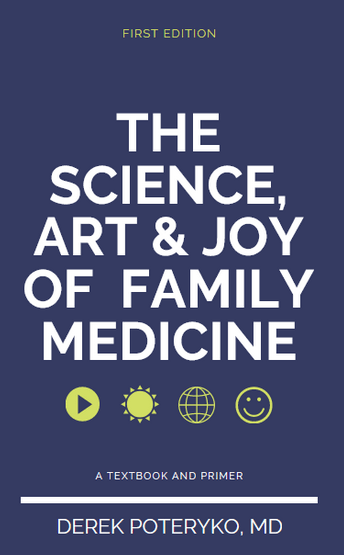
I have finally begun writing that Family Medicine textbook that this blog was intended to help shape!
That was the initial working title way back when we started the blog in 2020… the title like the book is a work (and love) in progress!
We have also been toiling and experimenting with AI and Chat GPT to help heal:
In a world where chaos thrives, Where hearts are burdened, hope survives, There stands a haven, a place so true, Anchor Family Medicine, shining through.
Within its walls, peace takes its form, A sanctuary amidst life’s storm, Where doctors with compassion shine, Anita, Aaron, Jesse, and Timothy, divine.
Danielle’s expertise, a healing embrace, Tony’s wisdom, grace interlaced, Sunelle’s warmth, a comforting balm, Sandy’s care, like a soothing psalm.
Kathi’s knowledge, a guiding light, Derek’s dedication, unwavering might, Together they stand, a steadfast crew, Anchoring health for me and you.
With gentle hands and caring hearts, They mend the broken, healing arts, With every smile and comforting touch, They bring solace, they bring so much.
In this haven of health and care, Peace blossoms in the gentle air, Where patients find solace, they find release, Embraced by love and a sense of peace.
Anchor Family Medicine, a beacon of light, A refuge in the darkest night, May your bond with patients never sever, For you are the healing hands that tether.
In this world yearning for unity, You offer love, a precious commodity, Anchoring lives with kindness and grace, In this sacred space, peace finds its place.
Special thanks to Chat GPT for the help!
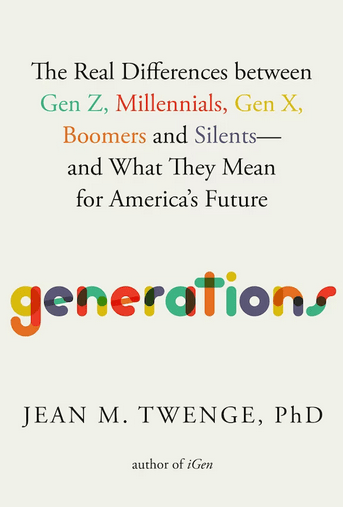
Anyways, back to today’s topic on the multi-generational health and care that Family Doctors provide. I spent the summer reading this very cool book called Generations: The Real Differences Between Gen Z, Millennials, Gen X, Boomers, and Silents―and What They Mean for America’s Future by psychologist, Jean M. Twenge, PhD. It was fascinating… I learned many things about myself (Generation X) and the other generations – how we think and do what we do. As a healer, I am excited to gain new insights into helping my patients with a better understanding of some of their core values and motivations.
What Generation do you belong to?
Silents (born 1925 to 1945)
Boomers (1946-1964)
Gen X (1965-1979)
Millennials (1980-1994)
Gen Z (1995-2012)
Polars (2013-?)
Not to be too braggy, but did you know that Gen X are the original environmentalists! ;P
The book will definitely have a healing planet Earth foundation to it… I heard a wise younger (Gen Z!) person (thanks Dr. SP) say: “Healthy planet, healthy people!”
It’s well worth a read to help better understand yourself and your behaviours as well as getting a better understanding of why we all do what we do. This book can be a healthy step for inter-generational family, community and perhaps planetary peace.
Three days into the new Family Practice Longitudinal Care care model and I am already loving it! It gives patient/family-centred care and relationship a whole new way of healing!
I spent time helping an Elder couple who were accompanied by their caring son who helps oversee their care. They are still living independently in community. Without their son’s time and care, they would most likely be in Assisted Living or Long Term Care (thank you, L!).
Spoiler Alert: The pattern I see with Elder patients who have complex health issues (like dementia, heart disease, diabetes, COPD or CVA/strokes) and continue to live at home in community… children and/or other caring family members/friends are involved. They will often come to the Family Doctor appointments and help advocate and voice their family members issues and concerns. Family Medicine at it’s best! ❤
In the visit, I was also able to review the consult from one of our town’s amazing Geriatric Psychiatrists (who I will sometimes text – see below) with regards to medications and care plan.
Later that morning, for another patient who has a complex medical issues plus significant financial challenges and no phone – we searched for a cheap phone plan so he could stay connected. I helped 3 of my young adult patients with their various health concerns and social challenges. Their collective trust in me to help them is rocket fuel to me!
I also helped 2 Elder patients, one with a significant medical condition who ended up going to Emergency (we were able to advocate and support him) and the other, we did a punch biopsy to help diagnose a chronic skin issue (with the help from a Consult Derm Dermatologist!).
I think you get the idea… it was a day of helping (and healing) a variety of my Family Practice patients through relational, longitudinal Family Medicine… such an honour and privilege!
It’s been some time since posting here… this blog is 3 years old! Much has happened including a pandemic and changes to community inpatient and community Family Medicine.
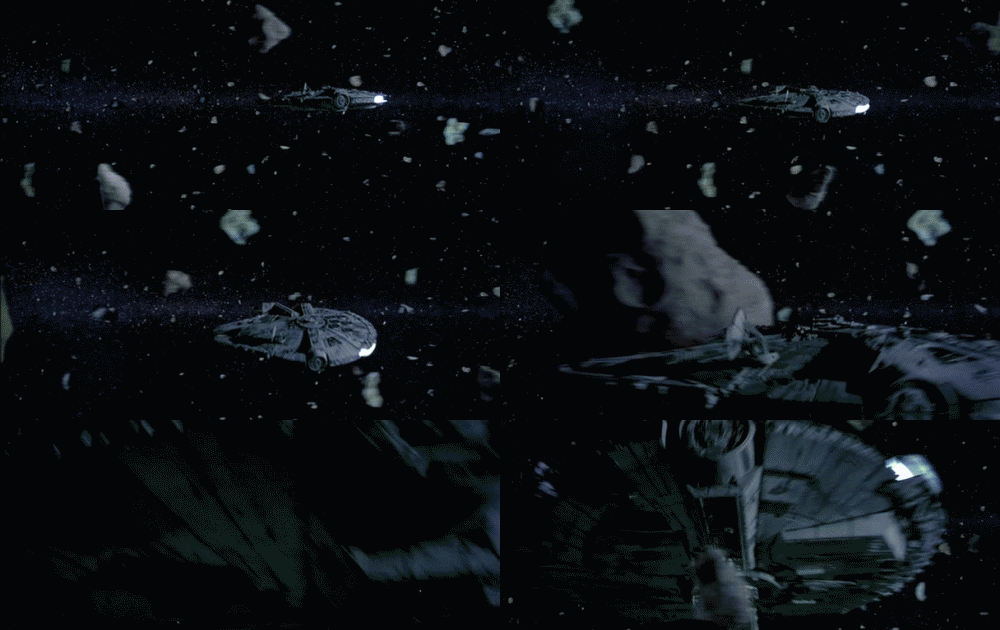
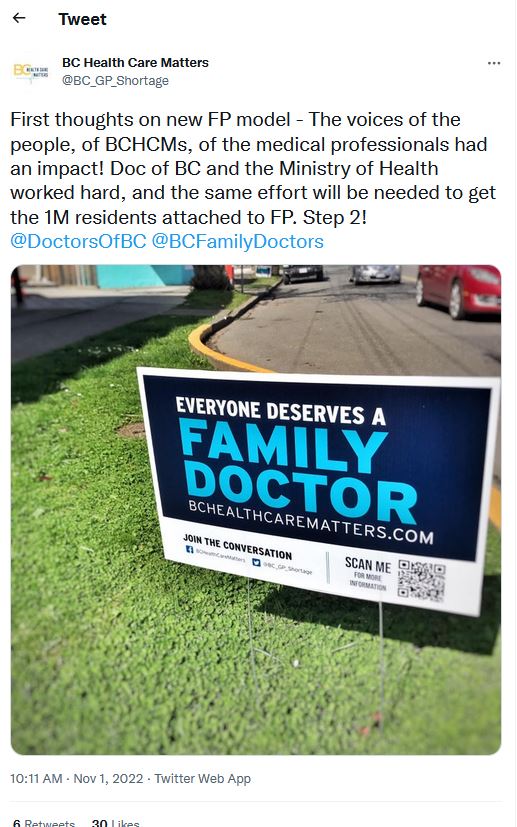
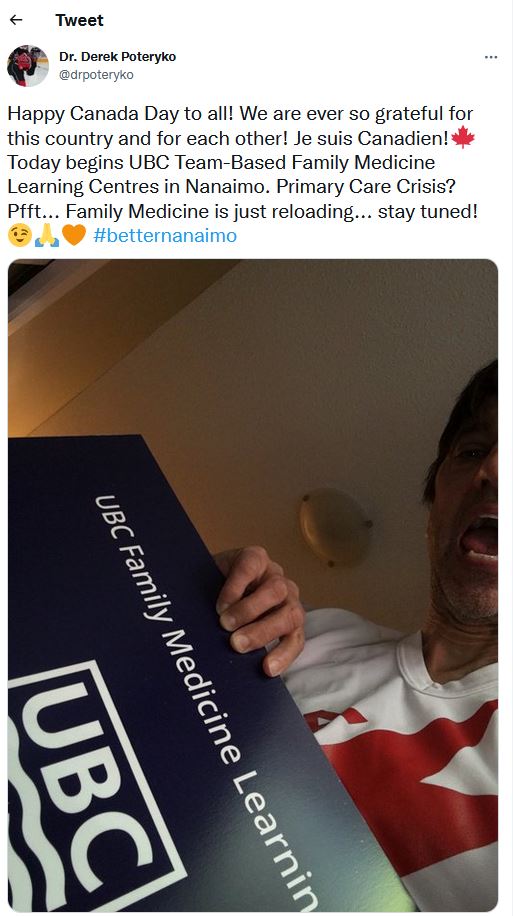
With the development and my involvement with the 7 UBC Family Medicine (Primary Care Team-based) Learning Centres in Nanaimo (see above Tweet from summer), for the next few months, we are going to shift the focus of this blog to help young Family Medicine residents (and those in early career) on how to navigate the challenging asteroid fields of Family Medicine.
Kudos to all for their hard work behind the scenes to help make this a reality! The true beneficiaries will be all British Columbians who will improve their health and care in the months and years ahead!
“Hospitals are dangerous for the elderly who are susceptible to hospital infections and rapid deterioration from the change in environment.”
Ian McWhinney, Textbook of Family Medicine, 4th Edition
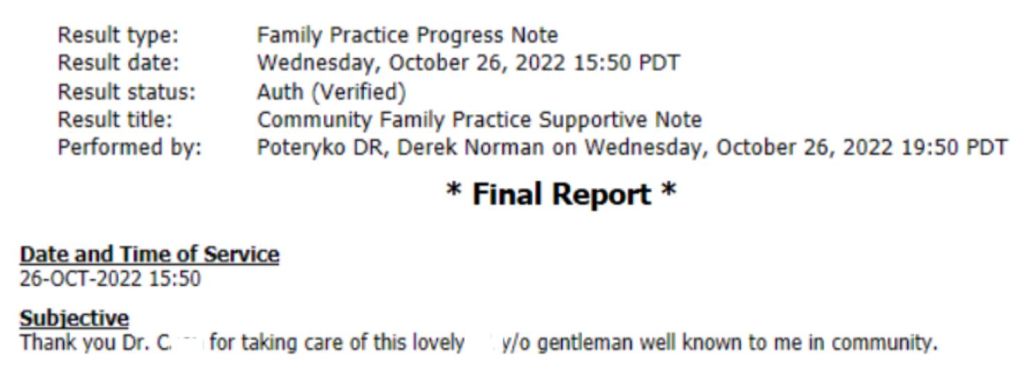
This week, I visited one of my elder patients from my Family Practice who was admitted to hospital with pneumonia. When I walked into the room and he recognized my familiar face, his face lit up! He had been struggling with said condition and complications (pericardial effusion and new onset atrial fibrillation). He was being followed by a very kind and caring Internal Medicine specialist (thank you, Dr. C!).
My patient had lost track of how many days he was in hospital and unsure of what was happening to him. I was able to take the time to explain, reorient and reassure him his diagnoses and the plan to get him home as soon as possible. I was also able to connect with his family and update them of their loved one’s situation. As well as advocate for his care with his hospital-based team while he is in hospital.
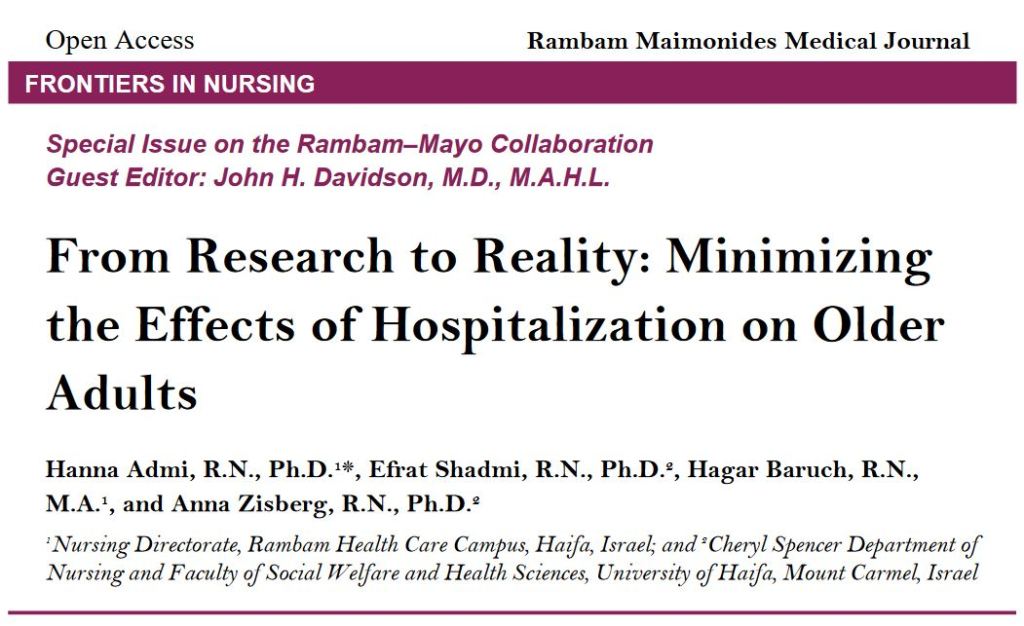
Having an elder (or any patient) in hospital makes me nervous (see above quote), I feel the longer they are in, there is an increased risk to succumbing to negative sequelae of their illness and other things (deconditioning, cognitive decline, falls, bed sores and blood clots to name a few). As said, this is not a condemnation of the amazing work that our colleagues do in hospital. It’s a scientific fact.
This is where relationship and longitudinal care in community can further heal and protect patients to return back home as soon as possible (see https://blueskyfamilymedicine.family.blog/2020/06/07/there-is-no-place-like-a-home-visit/). At NRGH, the data shows that a patient under the care of a Family Doctor staysat least2 less days in hospital. That’s 2 less days of the above risks and savings to the ailing healthcare system.
With our healthcare system in crisis in and out of hospital, now more than ever do we need to have relationship-based and longitudinal care Family Medicine and advocacy for patients in hospital and out in the community!
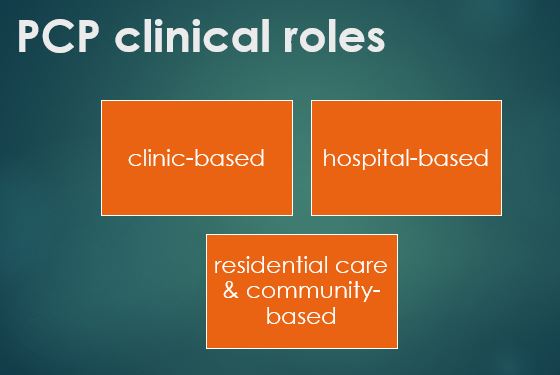
The Blue Sky Family Medicine Innovation would be for Family Doctors to visit their patients in hospital (especially if hospitalized for more than 4 days) and help support patients and their families (family meeting, anyone?), give treatment advice to the hospital-based team for ongoing care and help with discharge planning back to home in community. It would be no different than doing a Home Visit, but instead in hospital. The timing of the visit would be coordinated with the Family Doctor and patient (and family)!
As a Nanaimo Family Doctor who has had the honour and privilege of taking care of my practice of patients since 1993, I have witnessed and have felt helpless (sometimes hopeless) watching this most unfortunate and preventable event from happening. I have written and spoken out many times over the years warning that this was the future of community health and care in Nanaimo if we did not change course.
I am a solution-focussed Doctor and again, will not spend any more time saying that “I told them so” and they did not listen. What I have learned over the years is that the planning and implementing of health and care in B.C. is political and not scientifically driven. 😦
That’s where we went and will continue to go wrong in health care and in society.
Sorry for the profanity, but we, even as a planet, not merely locally, are at the tipping point of flourishing or perishing. Maybe it’s already too late?
Nope, over the years we have been reflecting and retooling. Today we are ready, so let’s bring it! All of it!
“Bring it!”
That’s how much I believe (in the science) that healing families (and our world including the Environment) with Family Medicine is the right way.
Generalist Family Medicine has it covered!
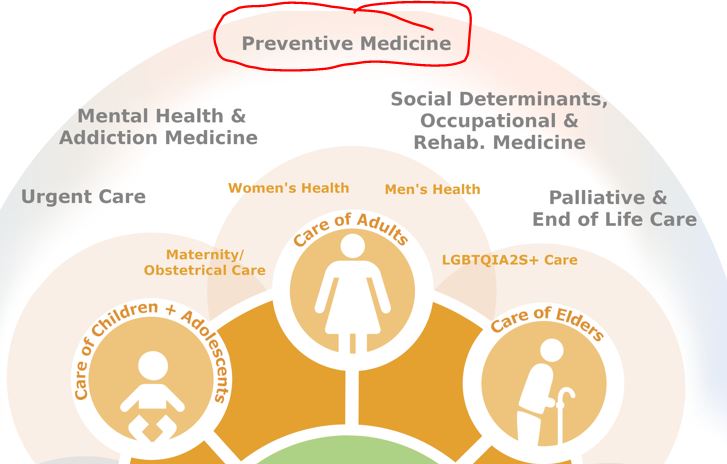
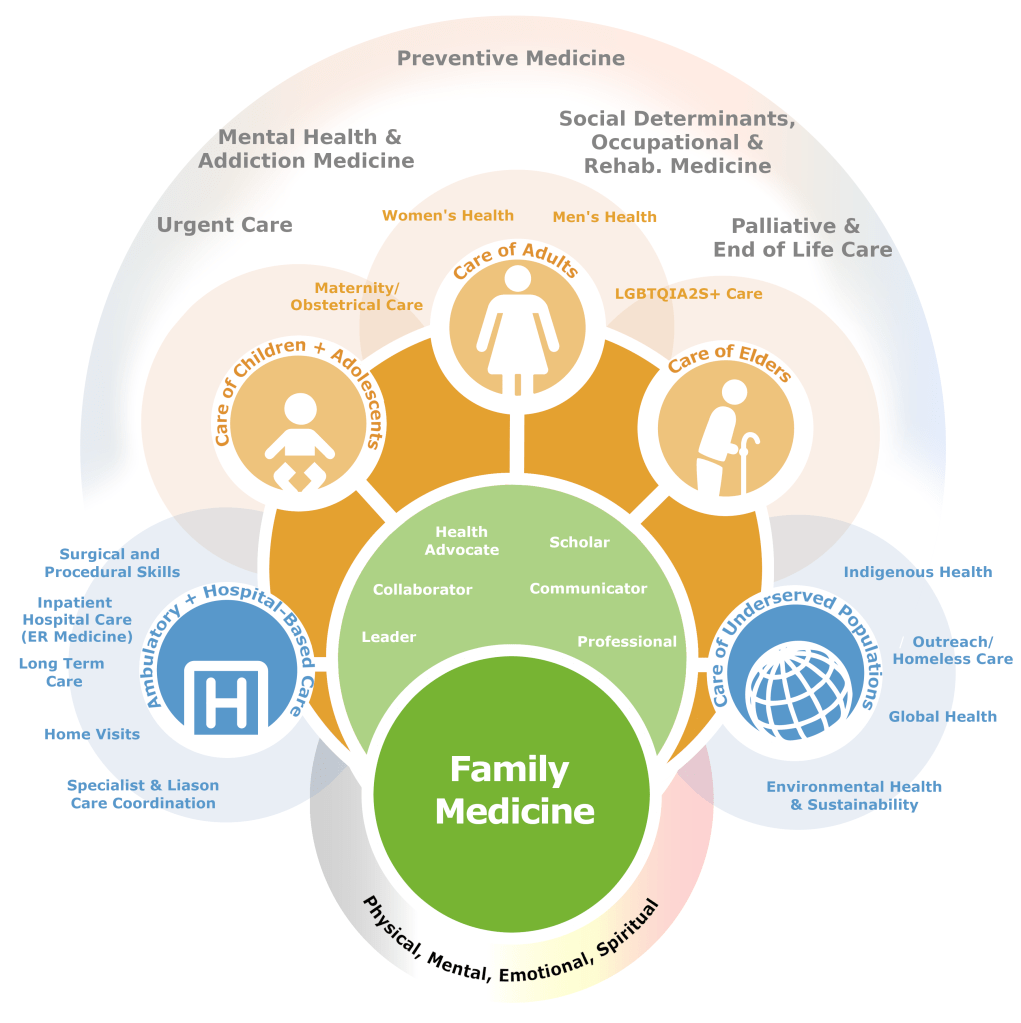
So let’s get back to it. Nanaimo now has 7 Family Medicine Learning Centres (see first pic above) which is a good start to help enhance and evolve community longitudinal, relational team-based Family Medicine teaching for today and tomorrow!
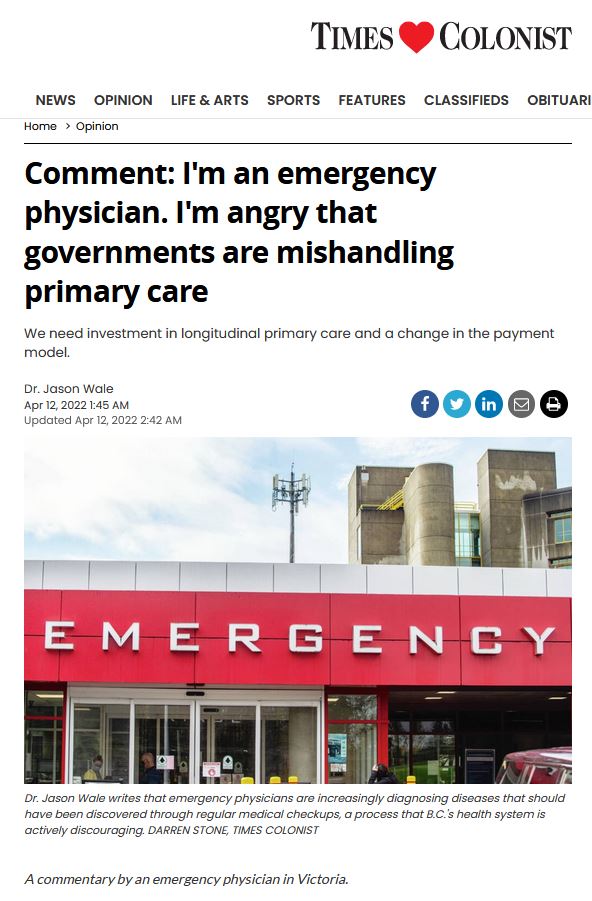
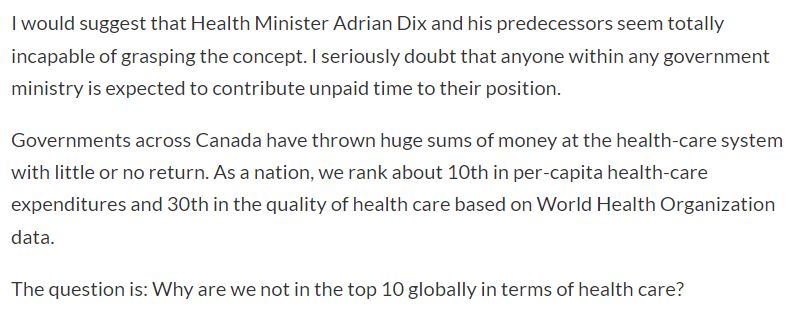
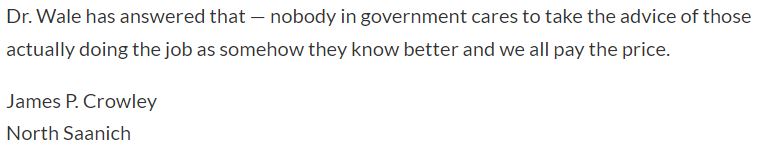
In reflecting on his comments, I was drawn to a well-established principle I learned in a management course years ago that if you are trying to fix a problem, ask the people actually doing the job about the problem is and how they would fix it.
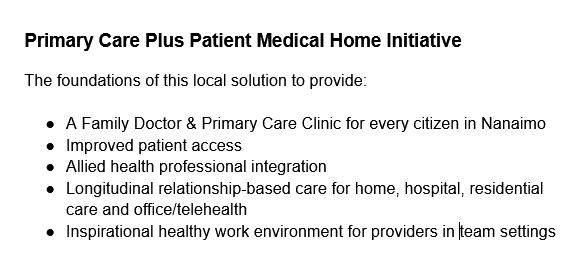
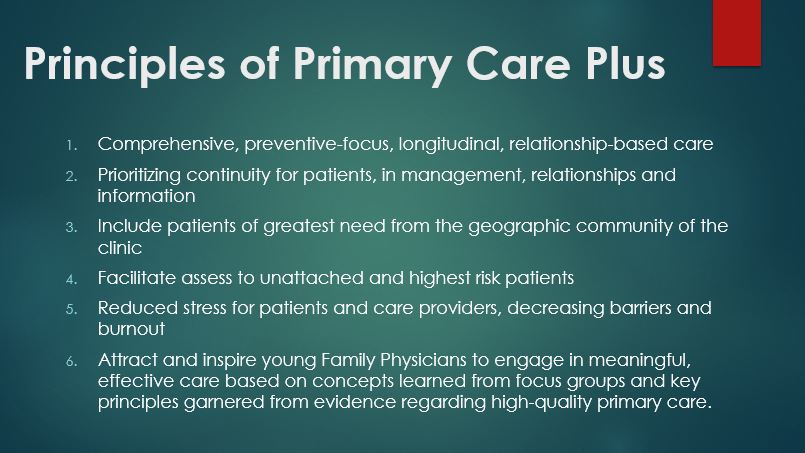
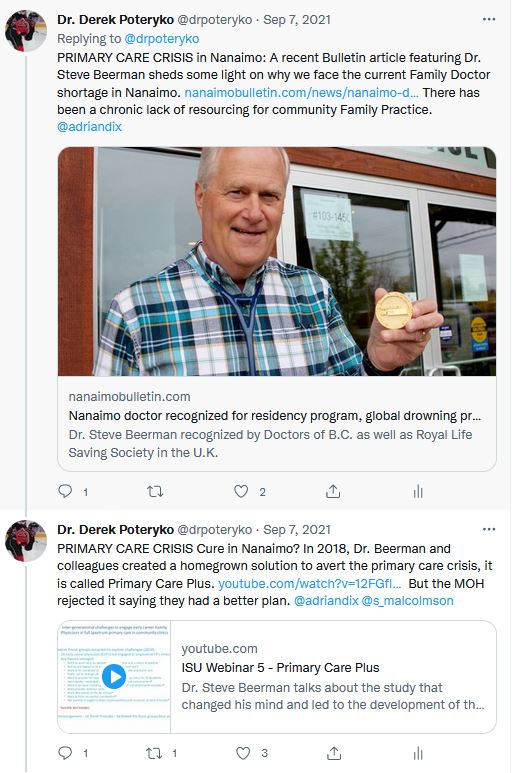
Well (not to sound like a broken record – see posts above), way back in 2019, we met with the Ministry of Health and presented Primary Care Plus (now known as Blue Sky Family Medicine). An innovative, cost effective and sustainable way to improve and enhance longitudinal Family Medicine in the community.
The Ministry REJECTED the proposal… saying that they had a better plan.
In 2022, there are over 35,000 people without a Family Doctor in Nanaimo… This train wreck could have been prevented. Hmmm… come to think of it, I am not disappointed… I’m p*ssed off too! 😦
I still remain optimistic that science and common sense will prevail.